
X-SENSE Shares Smoke Alarm Placement, Maintenance, and Prevention Tips
Home safety guidance highlights where smoke alarms should be installed, how they should be maintained and everyday
Press Release Disclaimer: This is a press release distributed through the XPR Media network. It has not been independently verified by our newsroom.
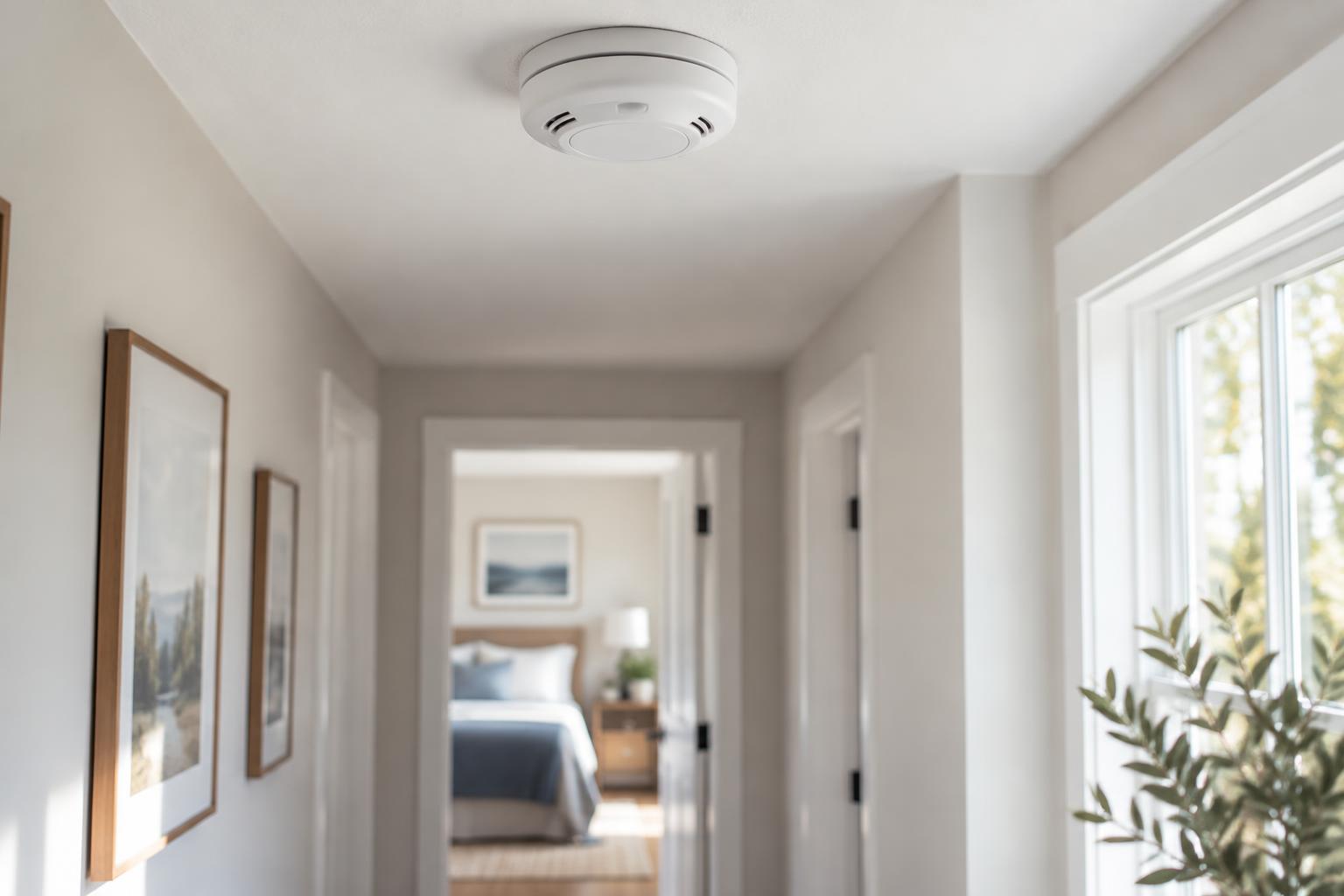

Home safety guidance highlights where smoke alarms should be installed, how they should be maintained and everyday steps that may help reduce fire risks.
WILMINGTON, Del., Nov. 17, 2026 — X-SENSE ELECTRONICS is sharing practical home safety guidance to help households improve smoke alarm coverage, maintain their devices and identify common fire risks before an emergency occurs. Smoke alarms are an important part of home fire safety, but their effectiveness depends on proper placement, regular testing and timely maintenance.
Choose the Right Locations for Smoke Alarms
Where a smoke alarm is installed can affect how quickly it detects a developing fire. In general, households should have alarms inside sleeping areas, outside bedrooms and on every level of the home, including basements where applicable.
Because smoke rises, alarms are typically installed on ceilings or high on walls according to the manufacturer’s installation instructions. Residents should also avoid placing alarms too close to cooking appliances, bathrooms, ceiling fans, heating vents or other areas where steam, airflow or routine cooking activity may contribute to nuisance alarms.
Larger homes may require additional devices to provide appropriate coverage. Hallways, stairways and areas connecting bedrooms with living spaces are also worth considering when planning alarm placement.
When choosing a smoke detector, homeowners should consider the size and layout of the property, the locations of sleeping areas and whether interconnected alarms would provide additional warning throughout the home.
Test Alarms and Check Them Regularly
Installing smoke alarms is only the first step. Regular testing helps confirm that each device remains operational.
Homeowners should use the alarm’s test button according to the manufacturer’s instructions and respond promptly if an alarm does not sound as expected. Batteries should be replaced when required, and low-battery warnings should not be ignored.
Dust and debris can also affect alarm performance over time. Gently cleaning around smoke alarm openings, following the manufacturer’s care instructions, can help keep sensors free from buildup.
Residents should also be aware that smoke alarms have a limited service life. The manufacturing date or replacement information is generally printed on the device or included in its documentation. An older alarm may need to be replaced even if it appears to be working during a routine test.
A useful household habit is to review all alarms together rather than checking devices individually at random. This makes it easier to identify missing coverage, aging units or batteries that need attention.
Consider Both Smoke and Carbon Monoxide Risks
Fire is not the only invisible household hazard. Carbon monoxide is a colorless and odorless gas that may be produced when fuels do not burn completely. Homes with fuel-burning heating equipment, fireplaces, gas appliances or attached garages may benefit from both smoke and carbon monoxide detection.
Combination devices can provide both types of monitoring in one unit when installed in suitable locations. X-SENSE SC07-W combo smoke and CO detector is designed to detect both smoke and carbon monoxide and can wirelessly interconnect with compatible alarms.
Interconnected alarms can be particularly useful in larger or multi-level homes because an alarm triggered in one area can provide a warning elsewhere in the property. However, alarms should be treated as an additional layer of protection rather than a substitute for proper maintenance of heating systems, appliances, wiring and other potential fire or carbon monoxide sources.
Reduce Everyday Fire Hazards
Routine prevention remains an important part of home safety. Cooking areas deserve particular attention because unattended cooking, overheated oil and combustible materials placed too close to heat sources can create fire risks.
Residents should remain nearby while cooking, keep towels, paper products and other flammable items away from active burners, and check that cooking appliances are switched off after use.
Electrical safety is another area worth reviewing. Damaged cords, overloaded power strips, loose outlets and improperly used extension cables should be addressed instead of ignored. Portable heaters should be kept away from curtains, bedding, furniture and other combustible materials.
Candles, matches and lighters should also be used carefully and kept away from children. Before going to sleep or leaving the home, residents should confirm that candles and other open flames have been fully extinguished.
Have a Plan Before an Alarm Sounds
Smoke alarms provide warning, but households also need to know how they will respond.
Family members should identify practical escape routes from bedrooms and common living spaces and choose a safe meeting point outside the home. Exit routes should remain clear of furniture, stored items and other obstacles.
Children and other household members should understand what a smoke alarm sounds like and know that the priority during a suspected fire is to leave the property quickly and call emergency services from a safe location.
If smoke or fire is present, residents should not spend time gathering possessions or investigating the source if doing so could delay evacuation.
Regularly reviewing alarm placement, testing devices and reducing common household hazards can help create multiple layers of protection. A few minutes spent checking home safety equipment today may provide valuable warning when every second matters.
About X-SENSE
Founded in 2013, X-SENSE has safeguarded more than 15 million households worldwide with its comprehensive range of smoke alarms, carbon monoxide detectors and environmental sensors. Backed by international certifications and designed with long-term reliability and user convenience in mind, X-SENSE continues to develop practical safety solutions for homes around the world.
Media Contact
Company Name: X-SENSE ELECTRONICS LLC
Contact Person: Martin
Email: partners@x-sense.com
Website: https://www.x-sense.com/
State/Country: Delaware, United States
